
Silencing the NCERT textbook: The Judiciary and its uneasy mirror
- | Friday | 20th March, 2026
BY-Alok Verma
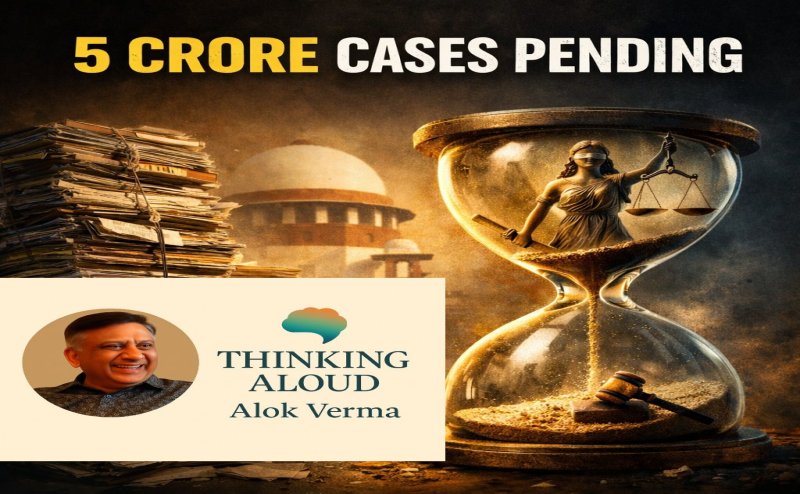
Over five crore cases are pending across courts in India today. In district courts alone, the number crosses 4.8 crore. In High Courts, over 60 lakh cases await disposal. Even the Supreme Court has close to one lakh pending matters. For millions of citizens, justice is not just delayed. It is often pushed beyond a lifetime. It is in this backdrop that a Class VIII textbook chapter referring to judicial delays and corruption triggered a strong reaction from the Supreme Court.
The chapter in an NCERT social science textbook discussed the role of the judiciary and pointed to challenges such as backlog of cases and instances of corruption. The Supreme Court took suo motu cognizance. It termed the content inappropriate, ordered withdrawal of the book and accepted an unconditional apology from NCERT. It also directed that those associated with the content should not be involved in future curriculum work linked to public institutions.
At one level, the concern is understandable. School textbooks shape young minds. They must be balanced and responsible. Any reference to a constitutional institution must be carefully framed. But the issue is not whether the textbook was perfect. The issue is whether the response was proportionate. The direction that effectively bars the authors from future academic work raises serious concern. It amounts to a form of punishment without giving them an opportunity to be heard. Natural justice requires that no one should be condemned unheard. This principle has been the cornerstone of judicial reasoning for decades. If that principle is set aside in this case, it raises an uncomfortable question. Is the judiciary applying to others what it would never accept for itself?
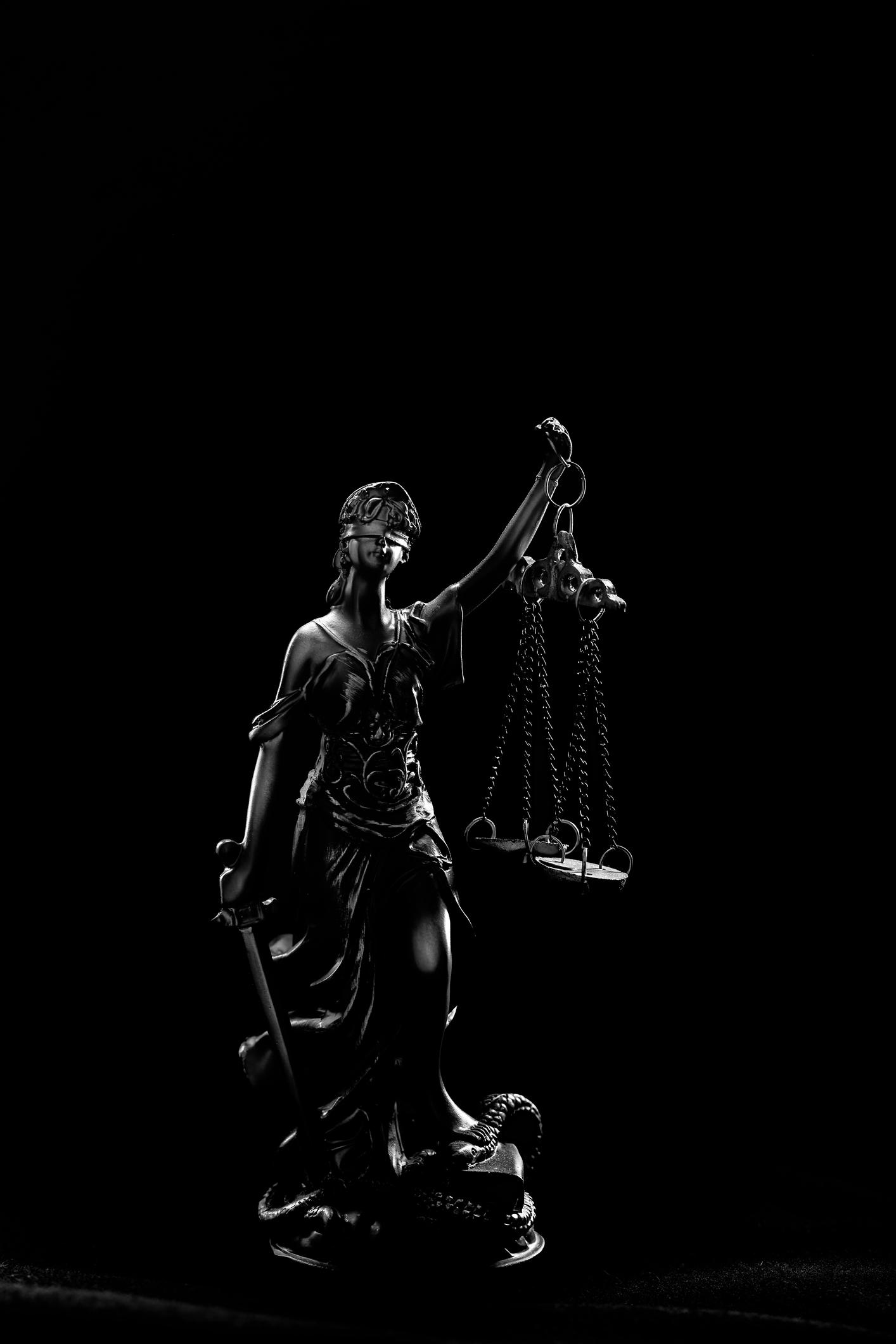
Beyond the controversy lies a deeper reality. The textbook did not invent the problems it mentioned. Judicial delays are real. A large number of cases in district courts have been pending for more than five years. Many have crossed the ten-year mark. For an ordinary citizen, a legal dispute often becomes a prolonged struggle with no clear end. The shortage of judges remains a persistent issue. India has roughly 21 judges per million population. This is far below global benchmarks for a country of this size. Vacancies in High Courts and subordinate courts continue to remain unfilled. Infrastructure gaps and procedural delays add to the burden.
Court functioning also shapes public perception. While judges handle substantial work beyond court hours, the visible reality for litigants is frequent adjournments and long gaps between hearings. Cases move slowly. Costs rise. Confidence gets tested. These are not abstract observations. They are part of everyday experience for millions of citizens. To acknowledge these realities is not to weaken the judiciary. It is to recognize the challenges it faces. Despite these pressures, the judiciary continues to command the highest level of trust among public institutions. Citizens still turn to courts when all other avenues fail. That trust has been built over time through landmark judgments and constitutional safeguards.
But trust cannot be preserved by silence. It is strengthened by openness. The larger question therefore goes beyond one textbook. Can an institution demand trust by controlling the narrative about itself? Or does it earn trust by allowing scrutiny, even when it is uncomfortable? There is also a risk that extends beyond this case. Judicial pronouncements set a tone. A strong reaction at the highest level may discourage open discussion. It may lead to self-censorship among academics and writers. Future textbooks may avoid difficult questions altogether. The consequence then is not just the removal of one chapter. It is the narrowing of public discourse. At the same time, criticism of the judiciary must be responsible. A school textbook cannot reduce a complex institution to a single dimension. It must present both strengths and challenges. Reform requires balance. It cannot come from exaggeration. It cannot come from denial either.
A more constructive approach could have been to review the content and revise it. Independent experts could have been involved. The chapter could have reflected both the constitutional role of the judiciary and the structural issues it faces. That would have strengthened both education and institutional credibility. In a democracy, institutions do not stand above scrutiny. They stand stronger because of it. The judiciary remains the final refuge for citizens. That position brings authority. It also brings responsibility. The responsibility to listen. The responsibility to reflect. The responsibility to accept that even uncomfortable questions have a place in public discourse.
The question is not whether the textbook was right or wrong. The question is whether the judiciary is strong enough to allow that question to be asked.
(The writer is a national award-winning senior journalist and founder Newzstreet Media)

If You Like This Story, Support NYOOOZ
Your support to NYOOOZ will help us to continue create and publish news for and from smaller cities, which also need equal voice as much as citizens living in bigger cities have through mainstream media organizations.
Stay updated with all the Delhi Latest News headlines here. For more exclusive & live news updates from all around India, stay connected with NYOOOZ.